

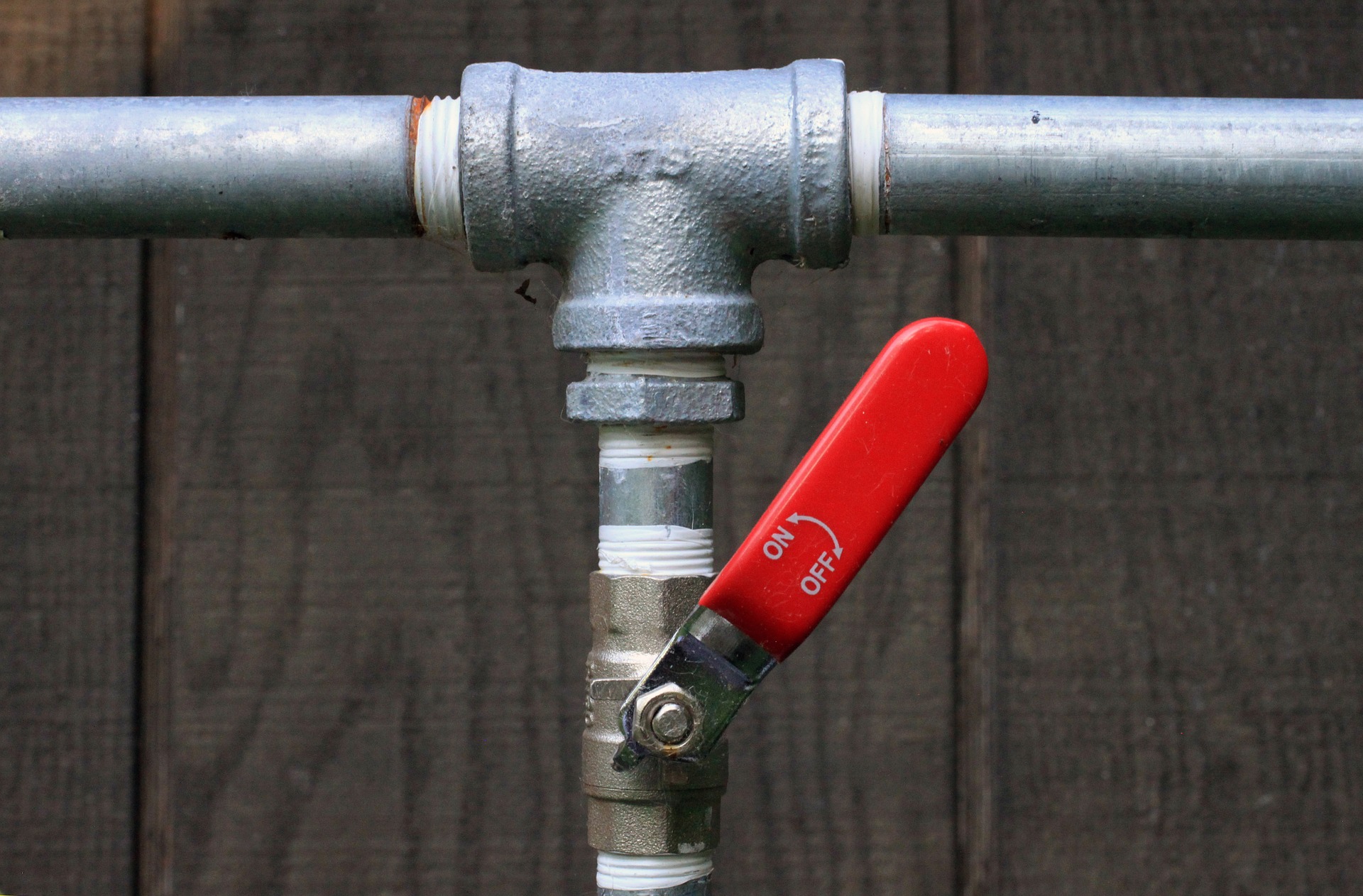
Are you looking for a Hydrostatic Testing Services in the Houston Area? Yes, we’re taking new clients now! Use the form to request an appointment. We will call you to confirm our visit for Hydrostatic Testing and Plumbing Services in Houston.Feel free to call us at
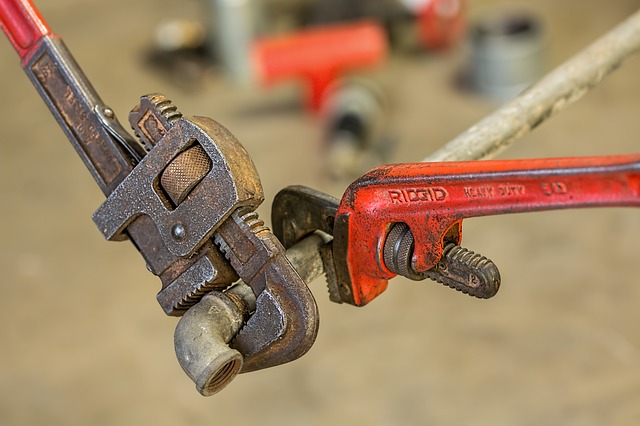
HYDROSTATIC TESTING HOUSTON
Plumbing equipment includes devices often hidden behind walls or in utility spaces which are not always easily accessible or visible. It includes water meters, pumps, expansion tanks, back flow preventers, water filters, UV sterilization lights, water softeners, water heaters, heat exchangers, gauges, and control systems. With our equipment and expert plumbers, we can help detect, diagnose and repair problems in your plumbing lines.
Hydrostatic testing is the most common method employed for testing pipes and pressure vessels
“Professional Plumbing Services in the Houston Area.”
Using this test helps maintain safety standards and durability of a vessel over time. Newly manufactured pieces are initially qualified using the hydrostatic test. They are then re-qualified at regular intervals using the proof pressure test which is also called the modified hydrostatic test. If you are buying a house, make sure to do a hydrostatic test so you are not surprised with future plumbing line issues.
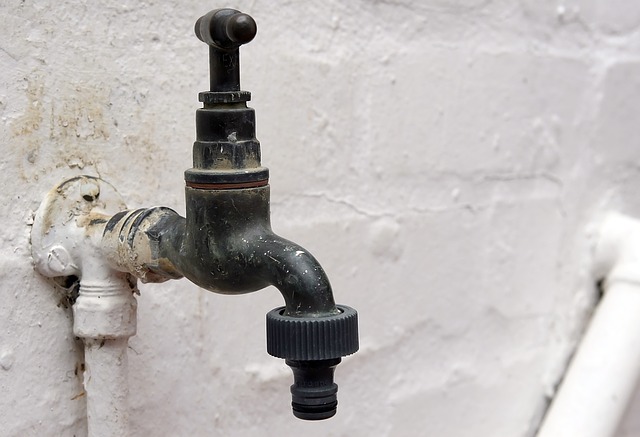
Testing Procedures
Hydrostatic tests are conducted under the constraints of either the industry’s or the customer’s specifications, or may be required by law. The vessel is filled with a nearly incompressible liquid – usually water or oil – pressurised to test pressure, and examined for leaks or permanent changes in shape.
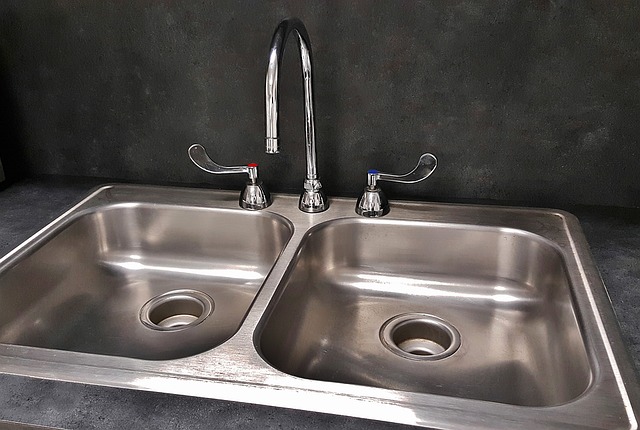
Pipeline Testing
Hydrotesting of pipes, pipelines and vessels is performed to expose defective materials that have missed prior detection, ensure that any remaining defects are insignificant enough to allow operation at design pressures, expose possible leaks and serve as a final validation of the integrity of the constructed system.
Testing Frequency
Most countries have legislation or building code that requires pressure vessels to be regularly tested, for example every two years (with a visual inspection annually) for high pressure gas cylinders and every five or ten years for lower pressure ones such as used in fire extinguishers.